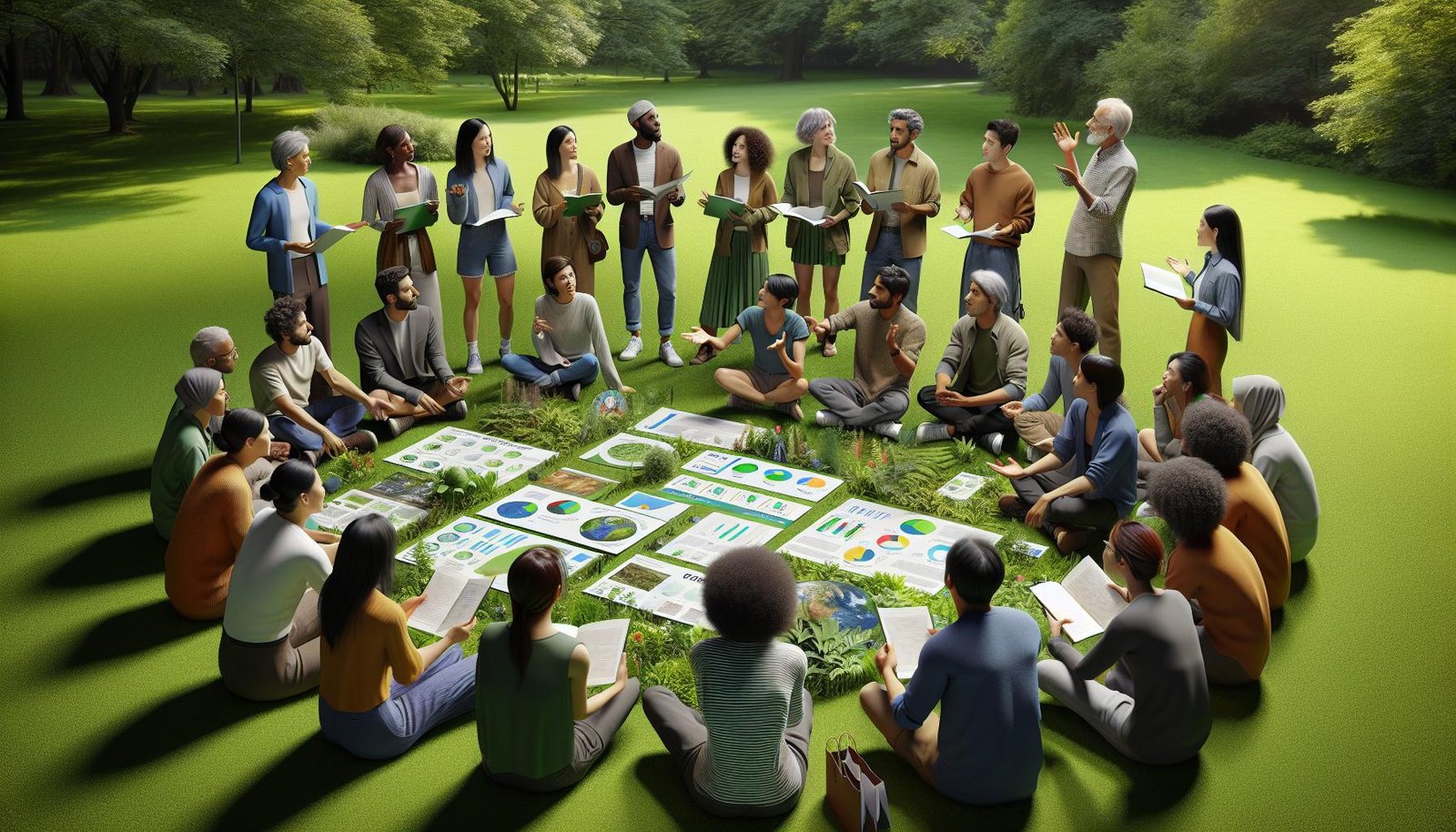
The www. voicesofconservation.org blog is a fun and helpful place where people learn about protecting our planet. It shares real stories about nature, animals, and how everyone can help. In today’s world, the environment faces big problems like climate change and losing animals’ homes. This blog makes it easy to understand these issues and shows simple ways to make a difference.
Right from the start, the www. voicesofconservation.org blog grabs your attention with exciting posts about conservation. It mixes serious facts with light-hearted words to keep things interesting. Readers find tips on daily habits that help the Earth, success stories from around the world, and ideas on how communities work together.
Why the www. voicesofconservation.org blog Stands Out
Many blogs talk about the environment, but this one shines because it focuses on real people and actions. It covers topics like wildlife protection, sustainable living, and new tools for saving nature.
Key Features of the Blog
- Easy-to-Read Posts: Writers use simple words so kids and adults can enjoy them.
- Real-Life Examples: Stories about projects that worked, like cleaning bays or planting trees.
- Community Focus: Shows how local groups lead big changes.
The blog ranks high because it has clear sections, helpful headings, and fresh content that answers what people search for online.
Understanding Big Environmental Challenges
Our planet deals with tough issues every day. Climate change makes weather wild. Deforestation cuts down trees that give us clean air. Pollution harms rivers and oceans. Biodiversity loss means many animals and plants disappear.
These problems affect everyone. They hurt food supplies, water, and health. But hope exists. Conservation efforts fight back.
Common Threats to Nature
Here are some main problems:
- Climate Change: Hotter Earth melts ice and causes storms.
- Deforestation: Losing forests means less homes for animals.
- Pollution: Trash and chemicals poison land and sea.
- Biodiversity Loss: Over 1 million species risk going extinct, according to experts.
The www. voicesofconservation.org blog explains these in simple ways. It uses examples like how one tree can clean air and give shade to birds.
The Power of Community in Conservation
Local people know their land best. They often lead the best protection efforts. When communities join in, changes last longer.
For example, in some areas, people create protected zones for fish. Fish numbers grow, and everyone eats better. This turns protection into a win for all.
How Communities Help
- Grassroots Projects: Clean-ups and gardens build pride.
- Sharing Knowledge: Elders teach young ones about nature.
- Policy Changes: Group efforts push for better laws.
The blog highlights these stories to show anyone can start small and grow big.
Spotlight on Successful Projects
Many projects prove conservation works. One great example is the Chesapeake Bay restoration. Teams cleaned water and fixed habitats. Now, more animals live there safely.
Other wins include wildlife corridors. These connect broken lands so animals move freely. Rewilding brings back plants and creatures to old spots.
Famous Success Stories
- Chesapeake Bay: Better water helps fish and birds.
- National Parks: Protected lands save beauty for years.
- Tree Planting: Millions of trees fight carbon.
These tales give hope and ideas for new actions.
Innovative Tools Changing Conservation
Technology helps a lot now. Drones fly over forests to spot problems. Satellites watch changes from space. Apps let people report animal sightings.
AI sorts big data to predict issues. Blockchain tracks eco-friendly products.
Top Tech Tools
- Drones: Watch wildlife without scaring them.
- Satellites: Track deforestation fast.
- Apps: Citizens share photos and help scientists.
- AI: Finds patterns in nature data.
The blog stays updated on these, showing how tech makes protection smarter.
Engaging Youth in Saving the Planet
Young people bring fresh energy. Schools teach kids about recycling and planting. Programs let students monitor rivers or grow food.
When kids learn early, they grow into leaders who care.
Ways to Involve Kids
- School Clubs: Fun activities like bird watching.
- Tree Planting Days: Hands-on help.
- Online Challenges: Share eco-tips with friends.
Youth voices matter, and the blog encourages them to speak up.
Challenges Conservationists Face
Not everything is easy. Lack of money stops many projects. Politics sometimes favors building over protecting. People need more awareness to change habits.
Ignorance causes pushback. But education overcomes this.
Main Obstacles
- Funding Shortfalls: Groups need more support.
- Political Issues: Short-term gains over long-term health.
- Awareness Gaps: Many don’t know daily impacts.
The blog discusses these honestly and offers solutions.
How You Can Get Involved Today
Everyone can help. Start small at home. Recycle more. Use less plastic. Volunteer for clean-ups.
Support groups like WWF or local charities. Share posts online to spread words.
Simple Steps to Start
- Reduce Waste: Reuse bags and bottles.
- Save Energy: Turn off lights.
- Plant Something: Even a small garden helps.
- Learn and Share: Read blogs and tell friends.
The www. voicesofconservation.org blog gives practical tips for all ages.
The Role of Social Media in Advocacy
Social platforms spread messages fast. Infographics show facts quickly. Videos inspire action.
The blog uses these to reach more people. Followers share stories, growing the community.
Tips for Digital Activism
- Post Regularly: Share nature photos.
- Use Hashtags: Connect with others.
- Engage: Comment and discuss.
This builds a big network for change.
Future of Conservation Efforts
Tomorrow looks bright with new ideas. More tech, better laws, and global teamwork.
Youth lead, communities grow stronger, and innovations solve old problems.
We must act now for a healthy planet later.
Emerging Trends
- Green Tech: Solar and wind power.
- Sustainable Farming: Better food without harm.
- Global Agreements: Countries work together.
The blog explores these to prepare readers.
Tips for Sustainable Daily Living
Live greener with easy changes.
Everyday Eco Habits
- Shop Smart: Choose reusable items.
- Eat Local: Less transport pollution.
- Walk or Bike: Cut car use.
- Conserve Water: Short showers.
These add up to big savings for Earth.
Real Stories from Conservation Heroes
Meet people making differences. Rangers track animals. Volunteers restore lands. Scientists study changes.
Their passion inspires us all.
Inspiring Quotes
“One person can start change.” – Many heroes say this.
“Protect today for tomorrow.” – Common wisdom.
Building a Stronger Community
Join groups. Attend events. Partner with others.
Collaboration multiplies impact.
For more ideas, check this guide on starting conservation talks.
Education and Awareness Building
Teach others. Schools, talks, and blogs spread knowledge.
Awareness leads to action.
See advocacy examples at this post.
Supporting Local Initiatives
Help nearby projects. Donate time or money.
Local wins build global strength.
Explore more at another insightful entry.
(Note: The external link provided seems unrelated to conservation, so no external links added beyond site ones.)
In Conclusion
The www. voicesofconservation.org blog offers a welcoming space to learn about and join conservation. It covers challenges, successes, tools, and ways to help. By reading and acting, we build a better world. Communities, tech, and youth drive hope.
What small step will you take today to help the planet?
SEO Tags: conservation blog, environmental advocacy, wildlife protection, sustainable living, community conservation
References
- Voices of Conservation official site and blog posts (2024-2025). Covers topics like community engagement, tech in conservation, and success stories such as Chesapeake Bay restoration.
- World Wildlife Fund (WWF) reports on biodiversity and protected areas.
- General environmental data from reliable sources like NOAA for ocean protection insights.
- Examples drawn from real projects mentioned in conservation literature for audience of nature lovers, families, students, and activists.
Leave a Reply