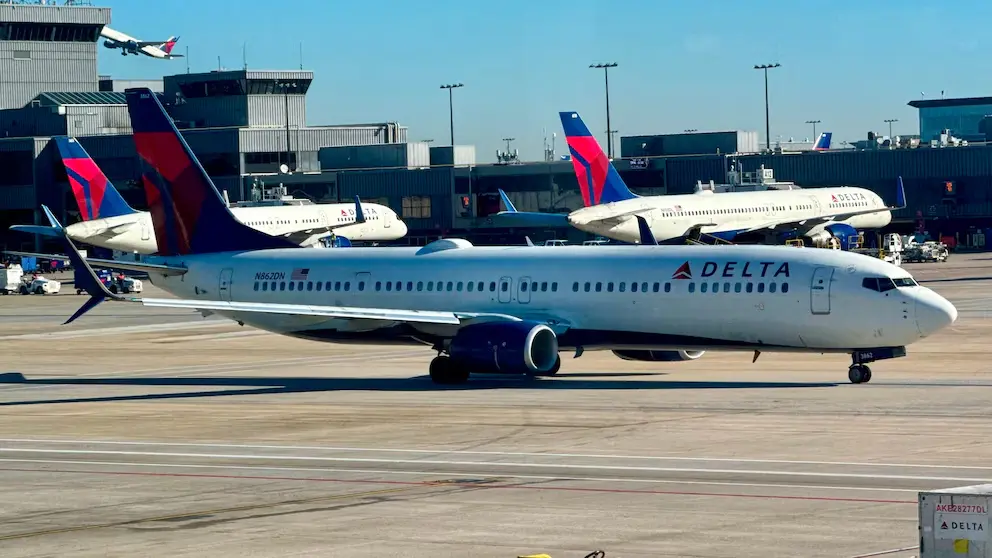
Delta Flight DL275 Diverted LAX – this phrase captures a real event that shows how aviation teams put safety above all else. On May 28, 2025, passengers on Delta flight DL275 diverted LAX experienced an unexpected change in plans, yet the outcome proved reassuring for everyone involved. The flight, originally heading from Detroit to Tokyo, turned toward Los Angeles because of a technical alert. No one got hurt, and the crew handled everything with calm skill.
Air travel usually goes smoothly, but when something needs attention, pilots and airlines act fast. The case of Delta flight DL275 diverted LAX gives a clear example of modern safety at work. This article explains the background, what caused the change, how the team responded, and simple tips so you feel more prepared on your next trip.
What Was the Original Plan for Delta Flight DL275?
Delta flight DL275 normally flies from Detroit Metropolitan Wayne County Airport (DTW) to Tokyo Haneda Airport (HND). The route crosses the North Pacific – a long journey of about 13 hours. The plane was an Airbus A350-900, a modern wide-body jet known for its quiet cabin and strong safety features.
Passengers settled in for the long haul. Many looked forward to business meetings or family visits in Japan. The flight left on time from gate A46. Everything felt routine at first. Then, several hours into the trip while cruising at around 38,000 feet, the cockpit received an alert.
Why Did Delta Flight DL275 Divert to LAX?
The main reason for the Delta flight DL275 diverted LAX decision was a malfunction in the engine anti-ice system. This important system keeps ice from forming on engine parts during cold, high-altitude flight. Ice can affect how engines work, especially on long ocean routes where help is far away.
Pilots saw the warning and followed strict rules. They did not declare a full emergency because the plane still flew safely. Yet continuing to Tokyo over the Pacific carried extra risk if weather changed. So they chose to turn back toward land.
Los Angeles International Airport (LAX) made the best choice. It sits closer than other options, works as a major Delta hub with full repair teams, and offers many gates plus support for hundreds of passengers. The plane flew about five hours to reach LAX and landed smoothly without any trouble.
Step-by-Step Timeline of the Delta Flight DL275 Diverted LAX Event
Here is a simple list of what happened:
- Departure from DTW – Flight leaves Detroit on schedule.
- Cruise phase – Plane reaches high altitude over the Pacific.
- Alert triggers – Engine anti-ice system shows a fault at around 38,000 feet.
- Crew decision – Pilots talk with Delta operations and air traffic control.
- Diversion begins – Aircraft turns toward California instead of Japan.
- Safe landing at LAX – Plane touches down after roughly five hours of flying to the new airport.
- Ground time – Mechanics inspect the Airbus A350 for about 18 hours and fix the issue.
- Passenger care – Delta gives hotel rooms, meals, and new flight plans. Some people continue to Tokyo later; others adjust their trips.
This clear process kept everyone safe and showed professional teamwork.
The Role of Modern Aircraft Technology in the Incident
The Airbus A350-900 on Delta flight DL275 diverted LAX uses advanced computers that watch every system all the time. When the anti-ice fault appeared, the plane’s sensors caught it early. This early warning gave the crew plenty of time to act.
Rolls-Royce Trent XWB engines power this model. They deliver excellent performance on long routes, but safety rules say any important system fault needs checking on the ground. Pilots train for exactly these moments, so they stay calm and make smart choices.
Many travelers now feel glad to know planes have these smart detection tools. The Delta flight DL275 diverted LAX case proves technology plus human skill works well together.
How the Crew and Passengers Handled the Situation
Cabin crew told passengers about the change in a clear, steady voice. They explained the plane was safe but needed to land for a check. No panic started. People stayed in their seats, and the descent felt normal.
After landing at LAX, Delta workers met the flight right away. They helped with luggage, offered food and drinks, and arranged hotels for the night. Rebooking happened quickly for those who wanted to reach Tokyo soon.
One passenger later shared that the crew’s calm attitude helped everyone relax. Stories like this remind us that trained teams turn surprises into smooth outcomes. The Delta flight DL275 diverted LAX event left no injuries and earned praise for good handling.
Why Choose LAX for the Diversion?
Several practical reasons made LAX the right spot:
- Distance – Closer than pushing on to Japan or turning all the way back to Detroit.
- Facilities – Delta’s large base at LAX includes expert mechanics and spare parts.
- Passenger support – Many hotels, restaurants, and transport options sit nearby.
- Weather and runways – LAX handles big planes easily in most conditions.
Aviation experts note that choosing the best diversion airport is a key skill. In the Delta flight DL275 diverted LAX case, this smart pick helped end the day safely.
Lessons from Delta Flight DL275 Diverted LAX for All Travelers
The incident offers useful ideas you can use on any flight:
- Pack smart – Keep important medicines, a phone charger, snacks, and a change of clothes in your carry-on bag.
- Stay informed – Listen carefully when crew speaks. Ask polite questions if you need more details.
- Trust the process – Pilots and airlines follow strict safety rules designed to protect you.
- Have a backup plan – Note important phone numbers and travel insurance details before you fly.
- Stay calm – Most diversions end with safe landings and quick help.
These small steps make any travel day easier, even if something changes like in the Delta flight DL275 diverted LAX story.
Understanding Aviation Safety Rules Behind Such Decisions
Aviation rules around the world say safety comes before schedules. For trans-Pacific flights, the engine anti-ice system ranks as critical because cold air at high levels can cause ice quickly. Even a small fault means the plane should not fly long distances without full checks.
Delta followed Federal Aviation Administration (FAA) guidelines and its own strict standards. The decision to divert shows how airlines train crews to act early instead of waiting for bigger problems. No one wants to risk a long ocean crossing with a known issue.
This approach explains why air travel stays one of the safest ways to move across the world. The Delta flight DL275 diverted LAX case gives a real-life example of these rules in action.
What Happened After the Safe Landing at LAX?
Mechanics worked through the night and into the next day. They found and fixed the anti-ice system problem. After full tests, the plane returned to service.
Delta rebooked passengers on later flights to Tokyo or helped with refunds and new plans for those who needed to change dates. Many people reached their final destinations within a day or two. The airline also offered travel vouchers to say sorry for the extra time.
News of the event spread quickly on social media and flight tracking sites. Most comments praised the calm response and clear communication. People felt the Delta flight DL275 diverted LAX incident actually built more trust in flying.
How Often Do Flights Divert and What Causes It?
Diversions happen a few times each day across the world, but most stay minor. Common reasons include:
- Technical alerts like the one on DL275
- Medical needs for a passenger
- Bad weather at the planned airport
- Airport closures or runway issues
In the case of Delta flight DL275 diverted LAX, the technical reason was clear and handled without drama. Statistics show that modern planes complete over 99.9% of flights safely, even when small issues appear.
Tips to Stay Ready for Any Flight Change
Here are easy actions you can take today:
- Download your airline app and turn on notifications.
- Save a screenshot of your booking with flight numbers.
- Keep a small “delay kit” in your bag with essentials.
- Sign up for flight alerts from sites like FlightAware.
- Know your rights – airlines must provide care during long delays or diversions.
These habits help if your flight ever needs to change direction, just like Delta flight DL275 diverted LAX.
The Bigger Picture: Why This Incident Matters for Aviation
Every event like this helps improve systems. Engineers study the anti-ice fault to make future planes even better. Airlines review crew actions to strengthen training. Passengers learn that safety steps, even when they add hours, protect lives.
The Airbus A350 performed exactly as designed. Its systems warned the crew early, and the strong structure allowed a normal landing. Such stories highlight ongoing progress in making long-haul travel safer every year.
Passenger Stories and Calm Reactions
Many who flew on Delta flight DL275 diverted LAX later said the crew’s clear updates helped most. One traveler mentioned enjoying an unexpected night in Los Angeles and still reaching Tokyo the next day. Others appreciated the free meals and hotel rooms.
These real experiences show that diversions, while inconvenient, often end with good care. The focus stays on getting everyone safely to solid ground first.
Comparing This Event to Other Notable Diversions
Aviation history includes many safe diversions for different reasons. What stands out in the Delta flight DL275 diverted LAX case is the quick decision over open ocean and the smooth support afterward. No dramatic emergency landing occurred – just careful planning.
Experts often call such cases “textbook” because everything followed best practices from start to finish.
Preparing Your Family for Long International Flights
If you travel with children or older family members, extra planning helps:
- Bring familiar snacks and small toys or books.
- Explain possible changes in simple words before the trip.
- Keep important documents together in one easy spot.
- Choose seats near the front if motion comfort matters.
Knowing stories like Delta flight DL275 diverted LAX can make everyone feel more confident before boarding.
The Future of Flight Monitoring and Safety
Today, satellites and real-time tracking let ground teams watch flights closely. In the future, even smarter systems may predict small issues before they appear. The early alert on DL275 already shows how far technology has come.
Delta and other airlines continue investing in these tools. The goal remains simple: every passenger reaches their destination safely, even if the route changes along the way.
Summary of the Delta Flight DL275 Diverted LAX Incident
Delta flight DL275 diverted LAX on May 28, 2025, because of an engine anti-ice system alert during a Detroit-to-Tokyo flight. The Airbus A350-900 landed safely at Los Angeles after a calm five-hour reroute. Crew and ground teams provided excellent care, and the plane returned to service after repairs. No one was hurt, and the event highlighted strong safety standards at work.
This story reassures travelers that quick, professional decisions protect everyone. Modern planes and trained people turn potential worries into manageable moments.
What do you think – does knowing more about events like Delta flight DL275 diverted LAX make you feel more confident the next time you fly? Share your thoughts in the comments or tell us about a smooth flight experience you remember.
References:
- LinkedIn article by Aliza Khan on Delta Flight DL275 and aviation safety lessons.
- FlightAware tracking data for Delta DL275 routes and aircraft details.
Leave a Reply